

clear glazing sheet
Understanding Round Taper Gauges A Comprehensive Overview Round taper gauges are specialized measuring instruments that play a vital role in various industries, particularly in engineering, manufacturing, and quality control. Their distinctive shape and design make them an essential tool for assessing dimensions and tolerances in both production and machining processes. This article delves into the functionality, application, and significance of round taper gauges. What is a Round Taper Gauge? A round taper gauge is characterized by its conical shape, tapering down to a point, which allows it to measure the depth of holes, grooves, and other recessed features. Typically made from high-quality tool steel or stainless steel, these gauges are designed to provide accurate measurements while maintaining durability under various environmental conditions. The tapering allows for easy insertion into narrow spaces, making it ideal for applications where traditional measuring tools may not fit. Importance of Taper Gauges Precision is crucial in manufacturing and engineering; even minuscule discrepancies can lead to significant issues in product performance and quality. Round taper gauges help ensure that parts fit together correctly, thereby minimizing errors in assembly and preventing malfunction. By providing a quick and straightforward method to measure tapers and angles, these gauges serve as a first line of quality assurance in production processes. Applications of Round Taper Gauges Round taper gauges find numerous applications across different fields, including 1. Machining In machining environments, these gauges help check the depth of drilled holes and verify that components have been manufactured to the correct specifications. 2. Quality Control Quality assurance teams often use round taper gauges to confirm that parts meet dimensional tolerances before they are approved for assembly or shipment. 3. Metalworking In metalworking, especially in fabricating complex components, these gauges ensure the necessary precision in fit and assembly, often used alongside other measuring tools. 4. Woodworking Woodworkers utilize round taper gauges to ensure precise fitting of joints and to create consistent angles during crafting, leading to finely finished products . round taper gauge 5. Automotive and Aerospace Industries These sectors demand the utmost precision, and round taper gauges are indispensable in checking the quality of parts such as engine components and airframe sections. How to Use a Round Taper Gauge Using a round taper gauge involves a straightforward process - Preparation Ensure that the gauge is clean and free from debris. This step is crucial to prevent any interference with the measurement. - Insertion Gently insert the gauge into the feature being measured, ensuring it fits snugly but not too tightly. - Reading Measurements Depending on the design, many taper gauges have markings or notches that indicate specific dimensions. Read the measurement at the point where the gauge fits best inside the feature. - Recording Data Document the measured values for quality control records and future reference. Advantages of Round Taper Gauges One of the primary advantages of round taper gauges is their ease of use. Operators can quickly assess dimensions without elaborate setup procedures. Moreover, their robust construction offers longevity, even under harsh operating conditions. The ability to carry out measurements rapidly contributes to enhanced productivity, making these tools invaluable in fast-paced industries. Conclusion In summary, round taper gauges are critical instruments in ensuring the precision and quality of manufactured components. Their unique design, coupled with their straightforward use, has made them indispensable tools across various industries. As technology evolves, the demand for accurate measurement will only increase, further solidifying the role of round taper gauges in maintaining high standards of quality and performance in engineering and manufacturing processes. Whether in woodworking, metal fabrication, or aerospace, these gauges are a testament to the meticulous attention to detail necessary in today's precision-driven world.
about
clear glazing sheet
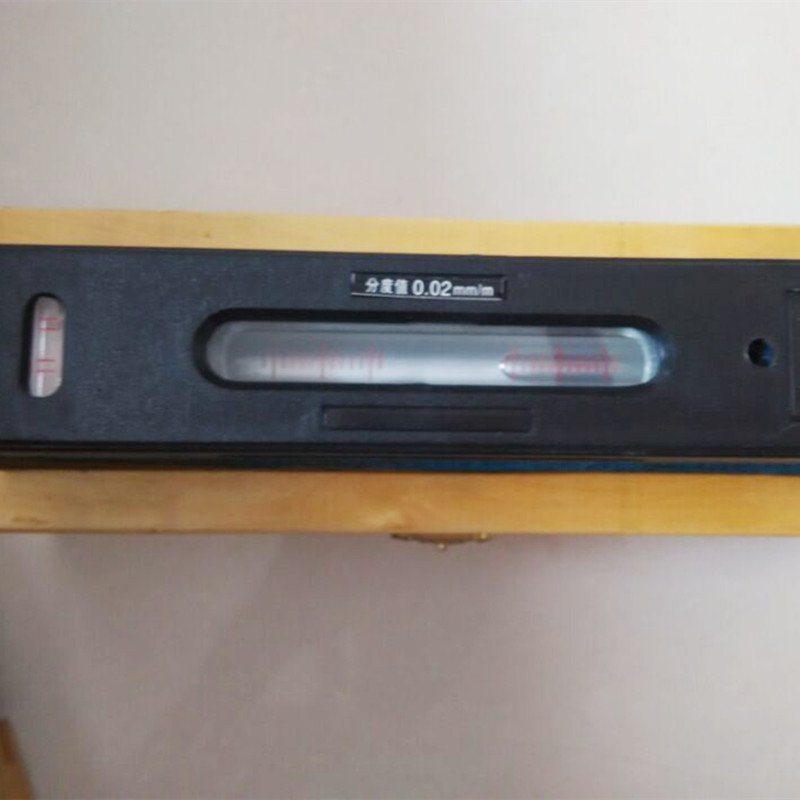
The Precision Engineer's Spirit Level An Indispensable Tool for Accuracy In the realm of engineering, precision is not merely a goal; it's a necessity. The accuracy of any engineering project hinges significantly on the tools employed, and among them, the spirit level holds a critical place. As a quintessential instrument for measuring horizontal and vertical alignments, the spirit level or bubble level epitomizes the blend of simplicity and sophistication in engineering tool design. A spirit level essentially consists of a sealed glass tube, partially filled with liquid, and contains an air bubble. When the level is placed on a surface, the bubble seeks the highest point of the liquid, which is centrally positioned. This unique feature allows the user to ascertain whether a surface is perfectly level or plumb. Precision engineers understand that minor discrepancies in level can cascade into major misalignments affecting structural integrity, functionality, and safety. Thus, employing a high-quality spirit level is essential in achieving meticulous standards. The Precision Engineer's Spirit Level An Indispensable Tool for Accuracy In the workshop or job site, precision engineers utilize a variety of spirit levels tailored to specific tasks. Traditional spirit levels, typically 24 inches long, are ubiquitous, yet varying lengths and sizes ensure accessibility in all situations. For intricate projects, a torpedo level—shorter and often featuring magnetic strips—can offer convenience in tight spaces. Furthermore, digital spirit levels now combine traditional principles with electronic sensors, providing readings on a digital display for enhanced user experience and accuracy. precision engineers spirit level In engineering applications, the importance of achieving a level surface cannot be overstated. For instance, in construction, foundations must be laid perfectly level to prevent structural damage over time. The application of the spirit level extends beyond construction; in precision engineering fields such as machining, automotive design, and even aerospace engineering, components must be accurately aligned to ensure functionality. A misaligned part, however minuscule, can lead to failures in complex systems, highlighting the indispensable role of the spirit level. Moreover, the spirit level serves an educational purpose as well, teaching fundamental principles of physics and geometry. It illustrates how gravity plays a pivotal role in determining the balance of objects, which is a critical concept in many engineering disciplines. The incorporation of spirit levels in educational setups prepares aspiring engineers for real-world applications, instilling in them an appreciation for accuracy and precision. However, while spirit levels are integral for horizontal and vertical alignment, engineers must also consider the potential for human error. The effectiveness of a spirit level relies heavily on the user’s ability to interpret the readings correctly and understand the tool's limitations. Therefore, it is advisable for engineers to complement the use of spirit levels with other measurement tools, thereby minimizing the risk of inaccuracies caused by environmental factors or equipment malfunction. In conclusion, the spirit level is more than just a measuring tool; it is a symbol of the pursuit of precision in engineering. Its simplicity belies the critical role it plays in the success of projects across various domains. As technology advances and new measuring tools are developed, the spirit level will likely remain a stalwart instrument in the precision engineer's toolkit, a testament to enduring design that meets the timeless demand for accuracy and excellence in engineering. Whether in rigorous construction sites or specialized workshops, the spirit level epitomizes the essence of what it means to be precise.
-

High quality industrial productsagement

High quality industrial products
View Details -

Meet the diverse needs of customers

Meet the diverse needs of customers
View Details -

Strict quality control

Strict quality control
View Details -

Top raw materials

Top raw materials
View Details -

Trusted supplier

Trusted supplier
View Details
Our application



news and information
Using a Thread Ring Gauge for Precision Thread Measurements and Inspections
The Importance of Thread Ring Gauges in Quality Control Thread ring gauges are vital tools used in v
Welding Workbench for 4x8 Projects A Sturdy and Versatile Solution for Fabrication Work
Welding is a crucial process in the manufacturing industry, and having the right equipment is essent
Versatile 4x8 Welding Table for Precision Metalwork and Fabrication Projects
The Versatility of a 4x8 Welding Table In the world of metalworking and fabrication, the importance
 English